Environmental Law Prof Blog has the text of
Nicholas Robinson's recent tribute to Professors Joseph Sax and David Sive at the Pace U. School of Law Garrison Lecture, compellingly describing, among other things, the 1960s environmental litigation over development in the Hudson River Valley and expansion of the Sierra Club to the eastern US. Robinson also mentions Lloyd Garrison's involvement in the Storm King litigation. Robinson writes that "public interest litigation to safeguard the environment was born in these cases".
 |
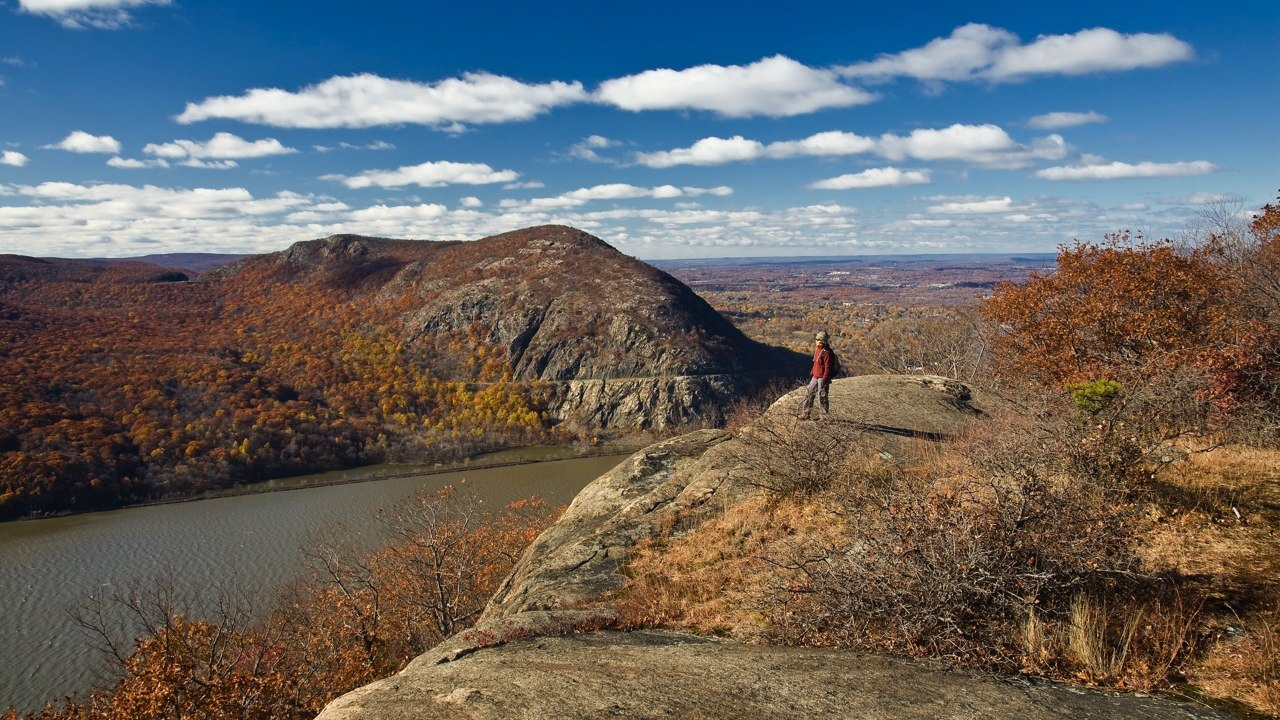
Robert Rodriguez, Jr., View of Storm King Mountain from Breakneck Ridge
(Scenic Hudson) |
 |
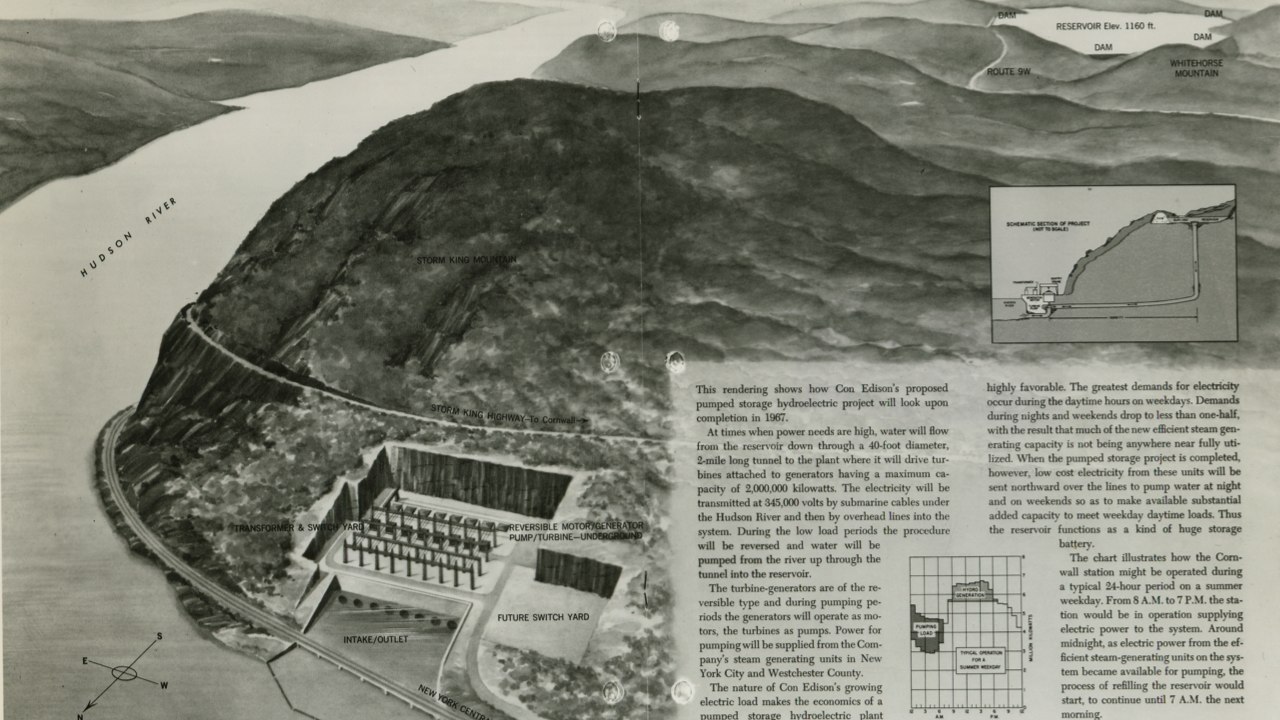
Con Ed's Proposal for Storm King Mountain Power Plant
(Scenic Hudson) |
Robinson also reflects on the worldwide influence of Sax and Sive:
The ripples from their professional work have spread far and wide. It is fair to observe that the reforms that Sive and Sax engendered in time produced Principle 10 of the Declaration of Rio de Janeiro on Environment and Development, adopted by the UN 1992 Earth Summit. This principle embodies many of the reforms that they urged in the 1970s and beyond: rights of access to environmental information, to pubic participation in environmental decision-making and to access to the courts. These are today recognized as global norms. The combined legacy of their lives is global.