Here's someone who doesn't think we can learn very much from history about climate change (and apparently thinks that Geoffrey Parker, a great military historian, is just another "Ph.D. historian", of which there are apparently too many. Though he does grant that "Dr. Parker has some interesting things to say".) Matthew Kahn writes on
his blog:
Is long run history relevant for thinking about how we will adapt to climate change? I don't think so. Our world economy is changing so rapidly that I learn little about our future ability to adapt from 16th century Europe.
He goes on to write that Parker "ignores the role that capitalism plays as an evolutionary force in helping us to adapt to new challenges. He ignores the innovative possibilities of modern capitalism." Maybe so, but history might have a thing or two to say about where the faith in "the innovative possibilities of modern capitalism" comes from, as well as the relationship between this faith and the employment of Darwinian concepts.
 |
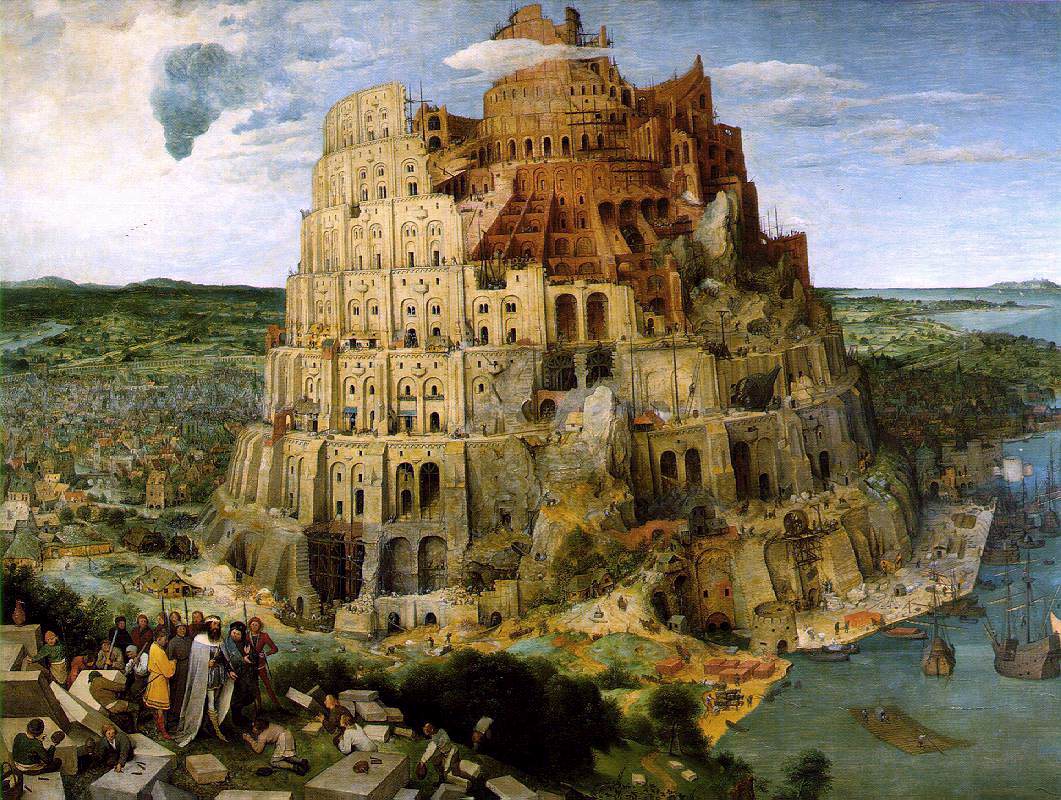
| A 16th century view of adaptation |
Robinson’s claim that cooperation, biophilia, and resilience have become built-in principles of environmentally sensible behavior seems based more in dogged optimism than in observed reality. After all, if these supposedly instinctive norms truly dominated human behavior (and the legal systems humans build to channel their behavior), the world would not be facing the “existential challenges” Robinson rehearses at the outset of Evolved Norms.